



![[Saxophone] Mastering the Upper Register of the Soprano Saxophone: The Mindset for Achieving a Unique Sound](https://i.vimeocdn.com/video/1845342607-ed25f14193503f21bd834a7212ad98a669318356fd9dace5e3d77c17cebe74e7-d_1280x720?&r=pad®ion=us)
[Saxophone] Mastering the Upper Register of the Soprano Saxophone: The Mindset for Achieving a Unique Sound
Many players feel uneasy about the upper register of the soprano saxophone. The moment you try to play, the note crashes downward or comes out thin and airy — this is because the upper register is an extremely delicate domain. In this article, we explore the causes of note dropout, pressure adjustment, and lateral support, all aimed at developing the mindset needed to master the soprano saxophone's upper register and achieve a truly unique sound.

Mastering Circular Breathing on Saxophone: 7 Steps to Freedom from Breath Constraints
Circular breathing can dramatically expand your saxophone performance capabilities. This article breaks down this challenging technique into 7 progressive steps for easy comprehension.
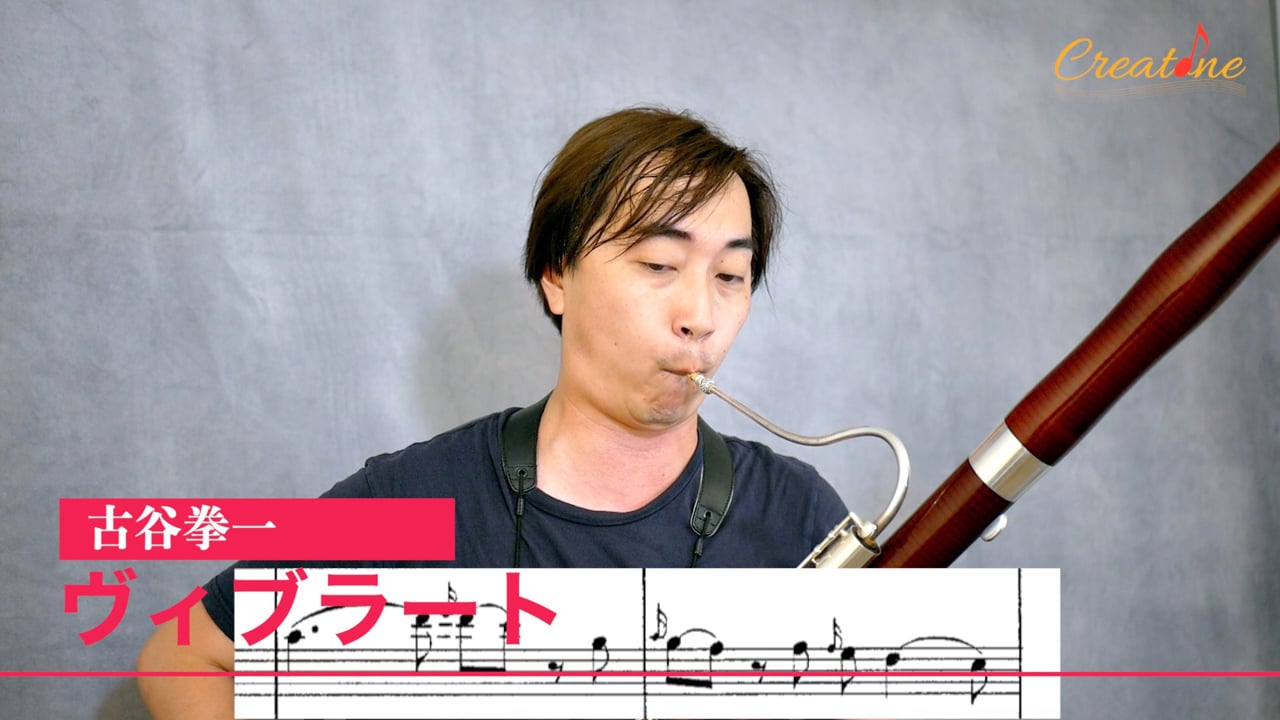
Mastering Bassoon Vibrato: Rich, Expressive Sound Produced from the Core
While the bassoon often serves an accompaniment role, vibrato is a crucial element that adds rich color to solos and melodies. This article covers the correct technique of producing vibrato from the abdomen, how to vary its use according to musical style, specific training methods to internalize the technique physically, and its close relationship with embouchure.
![[Clarinet] Mastering Embouchure: Improving Tone Quality Through Tongue Position and Air Direction](https://i.vimeocdn.com/video/1845657360-eacc4cf6313967b57fa27f937bf65381bdc7e7b53c264b31841797951be75834-d_1280x720?&r=pad®ion=us)
[Clarinet] Mastering Embouchure: Improving Tone Quality Through Tongue Position and Air Direction
Clarinet embouchure is a crucial element that determines tone quality. By properly controlling the details inside the mouth, particularly tongue position, jaw position, and air direction, you can achieve a stable tone and greater expressiveness. While approaches to tongue position vary among clarinetists, the fundamental principle is to be mindful of jaw position and control air direction. This article provides a detailed Q&A explanation covering embouchure fundamentals, the relationship between tongue and jaw position, methods for controlling air direction, and practical exercises.

Clarinet Staccato: The Technique of Stopping While Maintaining Air Pressure
Staccato is the alternation between stopping and releasing the airstream. Because the bass clarinet tends to respond slowly, the key is to maintain air pressure even while the tongue is stopping the reed. This lesson covers how to build a clean clarinet staccato, including why your articulation may sound like slap tonguing.

How to Develop a Mental Image of Sound for Trombone Improvement
When it comes to improving on the trombone, having a mental image of your ideal sound is even more important than technical practice. By listening to recordings of performers you admire and strongly visualizing their sound while you practice, you can begin producing tones you never thought possible. Musical expression also starts with imitation and builds from there.

Trombone Fundamentals: Long Tone Practice for a Beautiful Sound
Long tones are the most essential fundamental exercise for trombone playing. This article provides a detailed guide on maintaining steady airflow and an ideal embouchure, with comparisons of common mistakes and correct technique.

Trumpet Tonguing Mastery: Refining Your Sound Through Tongue Movement and Air Direction
Trumpet tonguing is far more than simply moving the tongue. The ideal articulation is born from the combination of correctly dropping the tongue straight down from the roof of the mouth and directing the air straight and far. This article provides a detailed guide on how to translate the sensation of vocalization into your instrument, along with practical practice steps for moving the tongue while maintaining a steady airstream.

Trumpet Vibrato Techniques: Two Approaches Using Hand and Jaw
Trumpet vibrato is an essential technique for enriching musical expression. There are two approaches—hand vibrato and jaw/embouchure vibrato—each producing different expressive effects. Practicing with the image of linking to your singing voice connects to lip slur and lip trill development, enabling richer musical expression.
![[Trumpet] From Concept to Physical Sensation in Volume Control: An Integrated Approach to Air Volume and Support](https://i.vimeocdn.com/video/1872857915-be5c801bbeec043c57266c32b06164faa8391dc9d971d8d640cbd466284b2242-d_1280x720?&r=pad®ion=us)
[Trumpet] From Concept to Physical Sensation in Volume Control: An Integrated Approach to Air Volume and Support
Volume control is a challenge many trumpet players face. When playing louder, focus on air volume and projection; when playing softer, imagine whispering. Support from below the ribs is essential throughout. This article explains concrete approaches to understanding the concept of volume control and putting it into practice in your playing.
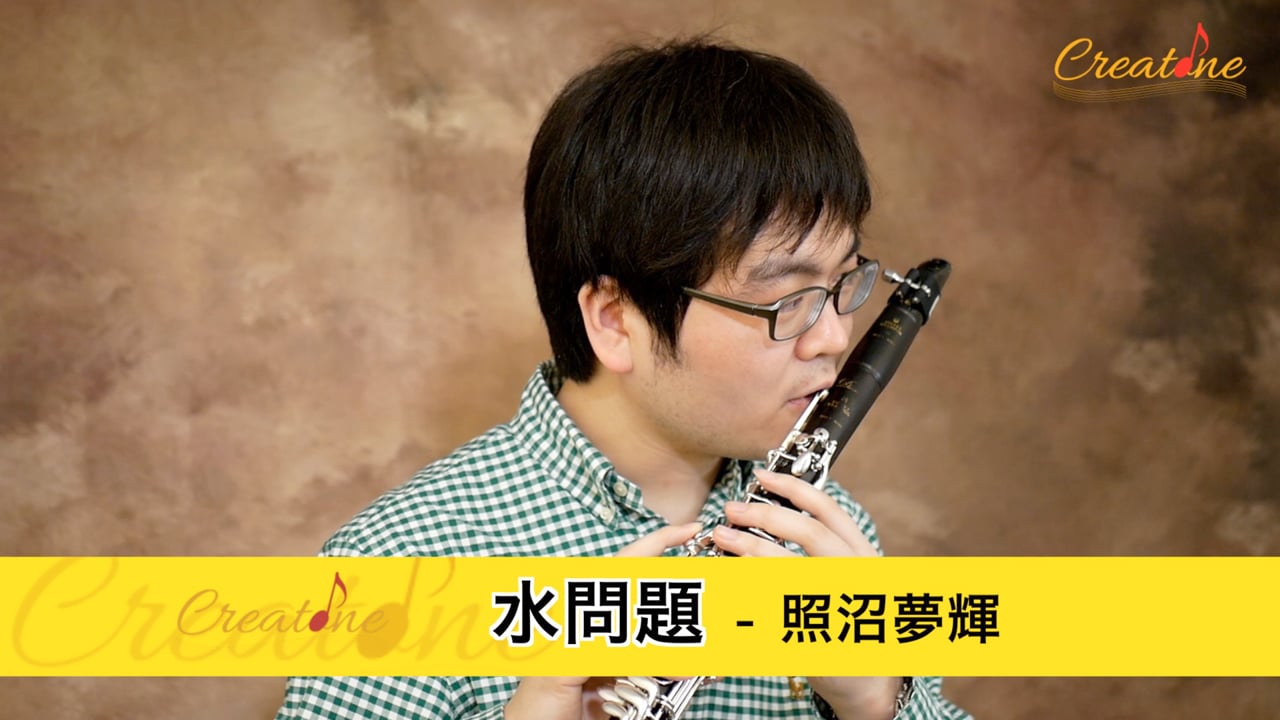
Water Buildup in Clarinet Tone Holes: Effective Solutions and Proper Swabbing Technique
Water accumulating in tone holes and causing sound failure during clarinet performance is a problem many players experience. Rather than waiting until water has already built up, the ideal approach is to thoroughly swab the instrument before moisture accumulates. If water does build up, "inhaling" rather than "blowing" is more effective. This article provides a detailed explanation of how to address water buildup in clarinet tone holes and the proper way to use a swab.

The Complete Guide to Bassoon Reed Care: Moisture Management and Cleaning Techniques for the Perfect Sound
For bassoon players, the reed is an extremely important component that directly affects tone quality. This article provides detailed guidance on adjusting soaking times according to the season, storage methods to prevent mold, and daily cleaning techniques using a specialized feather. Learn proper care practices to maintain consistently stable playing conditions.

Bassoon Staccato Technique: Elevating Ensemble Quality Through the Art of 'Separating' Without Cutting Too Short
Staccato is one of the bassoon's strong suits, but this very ease can lead to the pitfall of playing too short. This article focuses on the original meaning of staccato—'to separate' (staccare)—as the guiding principle for matching your sound with other instruments. It offers detailed guidance on blending with clarinet in ensemble settings, proper tonguing techniques that avoid swallowing air, and practical Q&A for real-world performance challenges.

Mastering Lip Slurs on Horn: Essential Practice for Flexibility and Smooth Interval Leaps
For horn players, lip slurs are an essential fundamental exercise for developing lip flexibility and achieving smooth interval leaps and a warm, rich tone. However, many players struggle with choppy transitions or excessive mouth movement that prevents smooth note changes. This article explains the key points for mastering lip slurs on horn, including proper air usage, minimizing embouchure movement, and the mindset of treating each note as a "passing point" within a continuous flow.
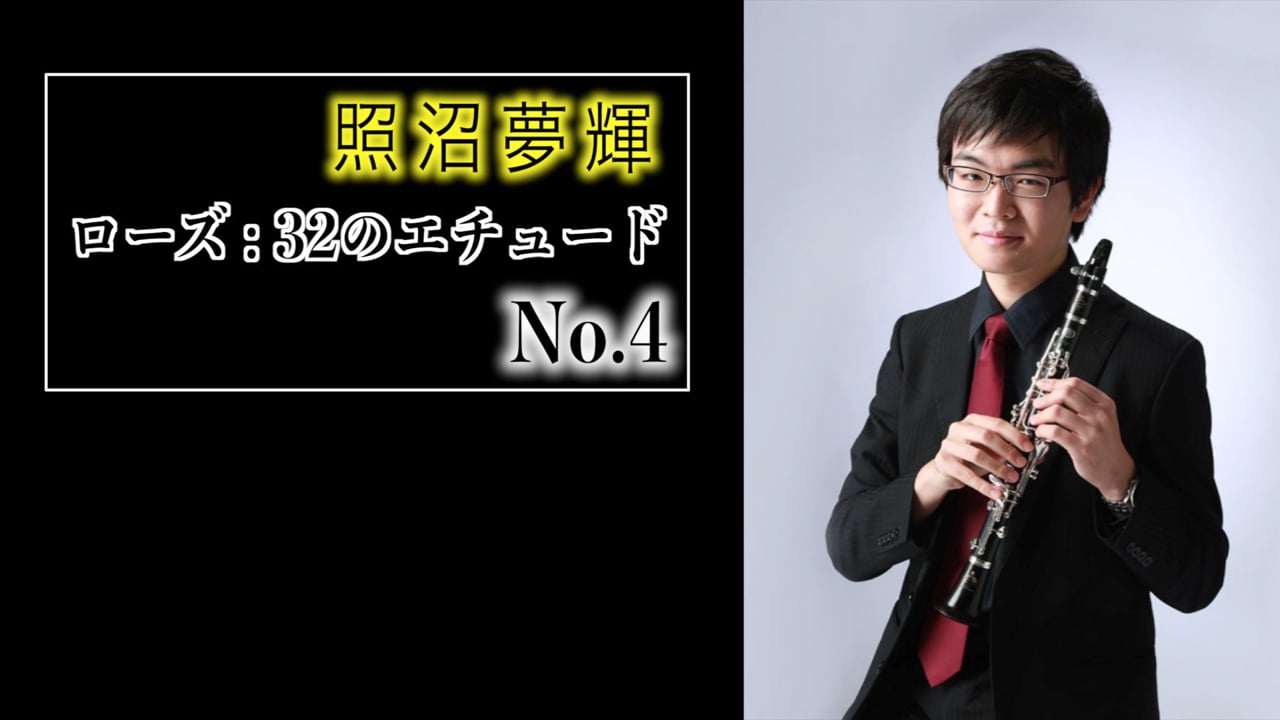
Mastering Clarinet Tonguing: Learning Concepts and Practice Through Rose 32 Etude No. 4
In clarinet performance, tonguing is one of the techniques that many players struggle with. Rose 32 Etude No. 4 is an etude specifically designed for tonguing practice, featuring repeated-note tonguing and two-note slurs, making it an important study piece for improving clarinet tonguing technique. This article explains not only the concepts behind tonguing but also how to experience light, energetic tonguing in actual performance.

First Steps in Bassoon Playing: Essential Knowledge and Mindset for Safe Instrument Handling
When starting the bassoon, many players first struggle with the difficulty of handling and assembling the instrument. This article provides a detailed guide to the foundational knowledge and proper approach to the instrument, helping beginners focus on their playing with confidence and avoid common problems. Mastering the correct procedures is the fastest path to improvement.

Tuba Range Expansion Method: The "Shift" Technique for Creating a Uniform Sound from Low to High Register
Many tuba players struggle with a thin high register or an underpowered low register. To command the full range freely, mastering the "shift" technique—optimizing your embouchure for each register—is essential. From the logical explanation of why low register practice leads to high register improvement, to embouchure design for expanding your range one semitone at a time, this lesson shares professional insights for breaking through the barriers of range.
![[Euphonium] Mastering Breath Control Through Breathing Exercises: A Practical Q&A on Breath Training](https://i.vimeocdn.com/video/1845688781-79ee74c13f2ad80e3d87dac11c26eeaba40abed54eaf861648208482633d4f70-d_1280x720?&r=pad®ion=us)
[Euphonium] Mastering Breath Control Through Breathing Exercises: A Practical Q&A on Breath Training
In euphonium performance, stable breathing greatly influences tone quality, dynamics, and phrasing expressiveness. Through practical breath training based on the Breathing Gym concept developed by an American tuba player, you can master breath control from a full 5.5 breath down to 0. By repeating a cycle of exhaling on beats 1 and 2 and inhaling on beat 3 in 3/4 time at a very slow tempo of 40 BPM, you can strengthen your breathing muscles and dramatically improve breath control during performance. This article provides a detailed Q&A guide on the practical methods and key points of breathing exercises.

Flute Intonation Correction: Two Approaches to Eliminating Pitch Discrepancies -- Mechanical and Bodily
In flute performance, pitch control is an ever-present challenge. The pitch tends to go sharp in the upper register and flat in the lower register, and it fluctuates further with dynamics. How can these variations be corrected musically? This lesson covers two solutions: mechanical adjustments through instrument setup, and bodily adjustments through breath and oral cavity control. Master both methods and learn the techniques needed to produce beautiful harmonies in any situation.
![[Saxophone] How to Produce and Practice Multiphonics](https://i.vimeocdn.com/video/1845663374-796b53f571bca052026d632c7a2ebb70ec29bb9fb51bc6a0e111a52bc4802b8a-d_1280x720?&r=pad®ion=us)
[Saxophone] How to Produce and Practice Multiphonics
Multiphonics on the saxophone is an advanced technique that produces multiple notes simultaneously using standard fingerings. With fingers 1, 2, 3, 5, 6, and 7 as the foundation, aiming for each individual note while playing is essential. By changing the direction of the airstream through tongue height adjustment, you can create a beautifully harmonized multi-note sound. While some instruments may not produce certain multiphonics, this is a technique that can be mastered through persistent exploration.
